Module Summary
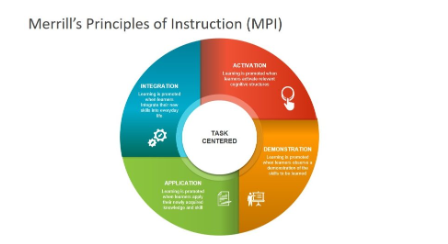
In this module we learned about design principals and learning strategies to help make a more engaging and dynamic learning experience by understanding planning and meticulous design. In specific, we learned about common instructional design and lesson planning principles and models. In this module we also learned about learning objectives, assessments and activities to ensure that learning is interactive and engagement . One of the most fascinating topic that I learned in this module was that of multimedia integration. This principal refers to the addition of different media activities like videos, interactive stimulations to increase student engagement. We also learned about Merrill’s Principles of Instructions. One important rule is that learning is problem-centric. It also states that new knowledge is added on old existing knowledge. Using these laws one can plan for more engaging learning experience.
Experience with video game learning supports?
To answer this question I will be using the example of the video game Genshiken. In the game we observe the Coherence Principle. This principal suggest that material and objects that are not important must not be embedded in the game. If added this could cause confusion and cognitive overload. The game focuses more on individual story and plotlines removing discretions and complicated interconnected plotlines. The game also applies multiple media formats like on-screen text and voice overs integrated the Modality Prince.
The game uses the Merrill’s principle by primary being problem-centric where players solve puzzles, win battles and find clues. It also builds on prior experience as people who play open-world fantasy games are better as the rules and puzzles are similar
Historia
Historia is a game-based learning system that we learned in this module. We could use the following principles to improve the gaming experience. By adding interactive storytelling , that adds multiple media elements such as background music and sounds effect could be used to enhance the games feel to the audience. We could also add branching storylines to make the storytelling more interactive that shape the outcome of historical events based on their choices.
Game Based Learnings
Using game-based learning could help provide a more engaging platform for students. Especially for children who are visual learning using game-based learning would help capture their interest and thereby bost their creativity and memory. Some examples of these could be using a 3D model to explore historical civilizations, wars and stories. We could also use interactive games to help visualize data to explain statistics and help students uneaten it better,
Balance between active and passive learning
Passive learning and active learning are both essential tools to impart knowledge. Personally using passive learning would help impart knowledge and make the user and audience familiar with knowledge. Active learning helps the audience to engage in the material better and apply the knowledge better integrating. However, the balance between both are ultimately depending on the individual as this balance depends mostly on individual learning styles, course objectives, and instructional method used.
H5P
Trying out H5P was a positive experience, as it offered a user-friendly interface and a variety of interactive content types to choose from. In my teaching context, I would likely make the most use of activities such as interactive videos, quizzes, and branching scenarios. These activities provide opportunities for students to engage with course material in dynamic ways, fostering active learning and enhancing comprehension. While some activities may require more resources to create, such as complex simulations or interactive presentations, HPP5 is still easy to navigate and can elevate the content you try to produce
Design Plan
Leave a Reply